

ADA compliant doors and door hardware in NYC
Bee Locksmith makes commercial doors easier and safer to use for storefronts, building lobbies, medical offices and office suites in New York City, Westchester and Long Island. We adjust closers for opening force, add low-energy automatic operators, and install accessible levers, push/pull hardware, thresholds and push plates. Our mobile technicians handle the door, the hardware and the release as one job.
The rules, in general terms
Accessible doors in the United States are covered by the 2010 ADA Standards for Accessible Design. In New York City, the NYC Building Code has its own accessibility requirements, which refer to the ICC A117.1 accessibility standard, and the stricter rule generally applies. Which rules apply to a given door depends on the building, its use and when the work is done. This page is general information, not legal advice: for a compliance decision, check with your architect, code consultant or the building's expediter.
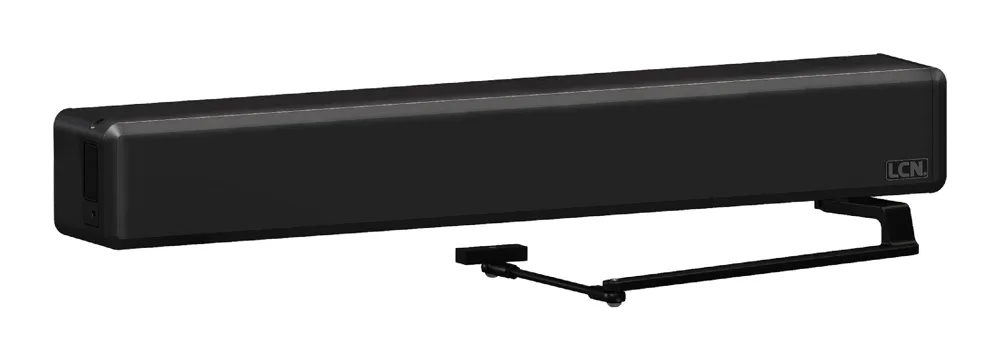
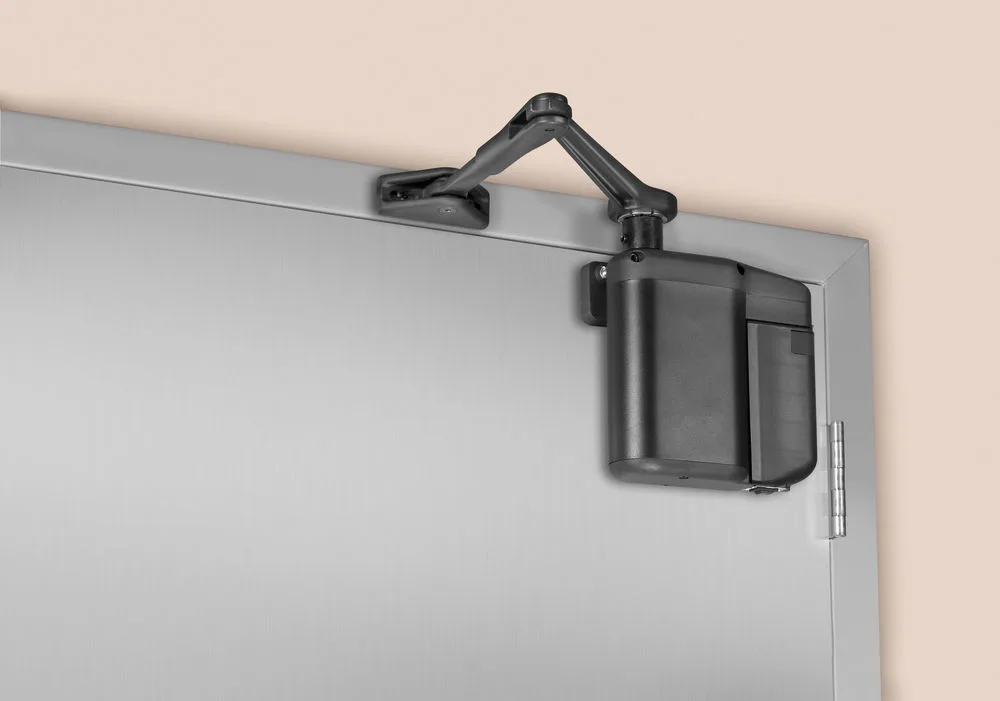
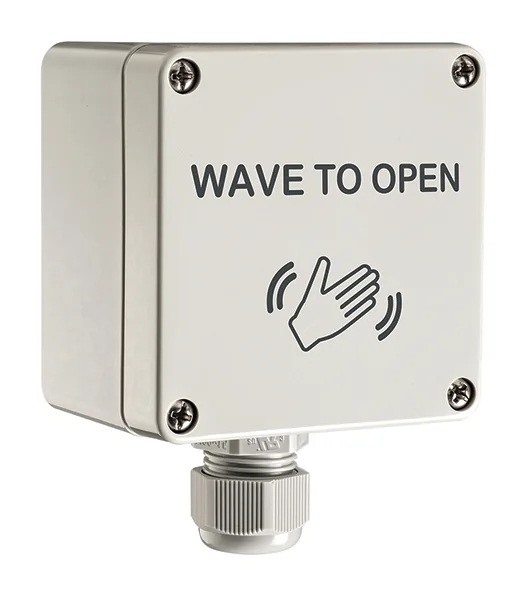
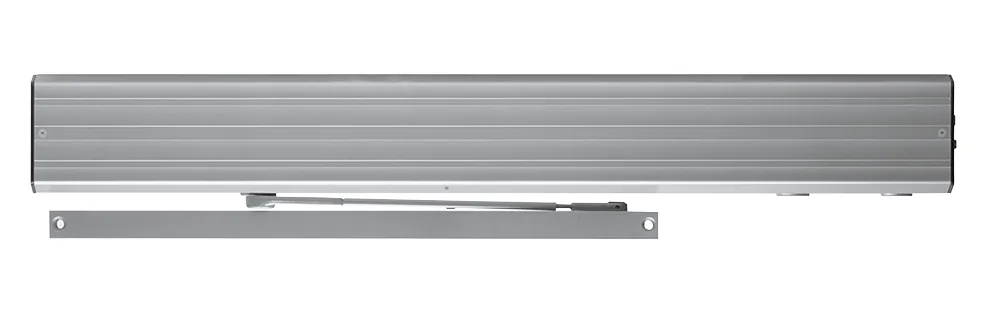
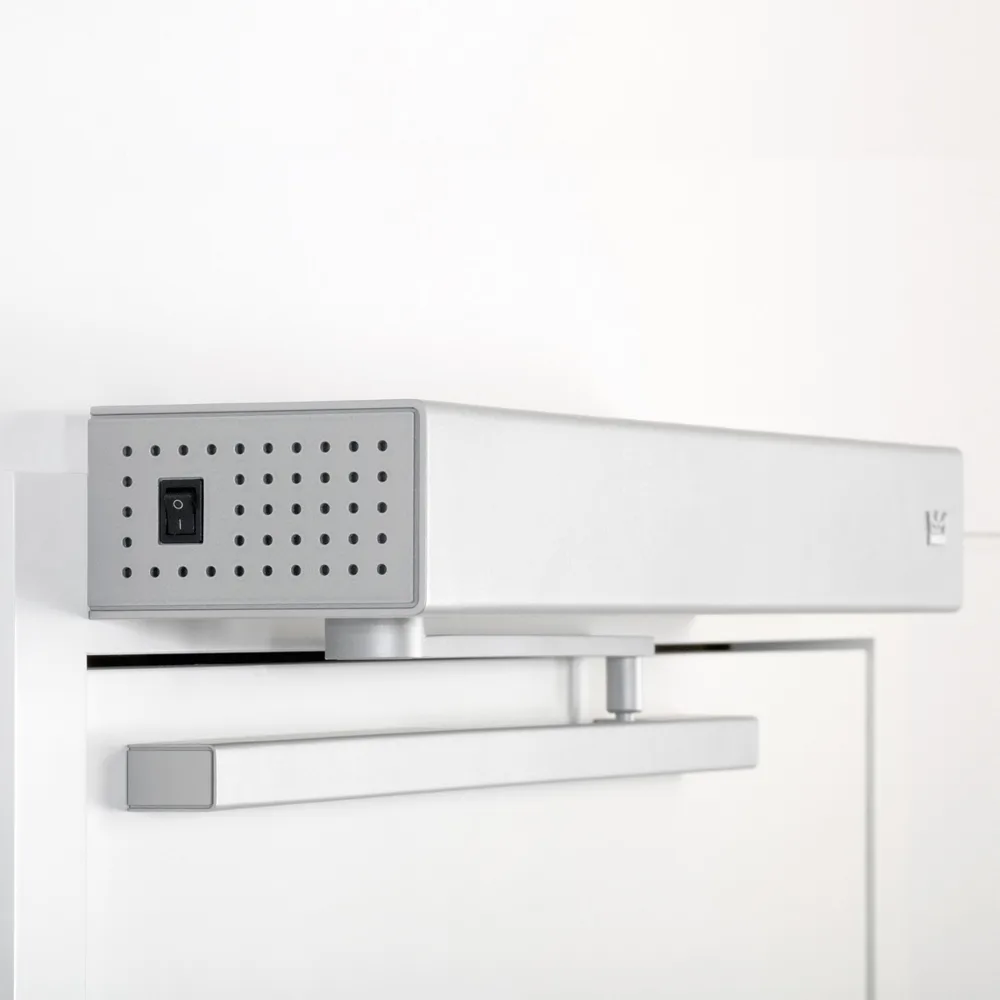
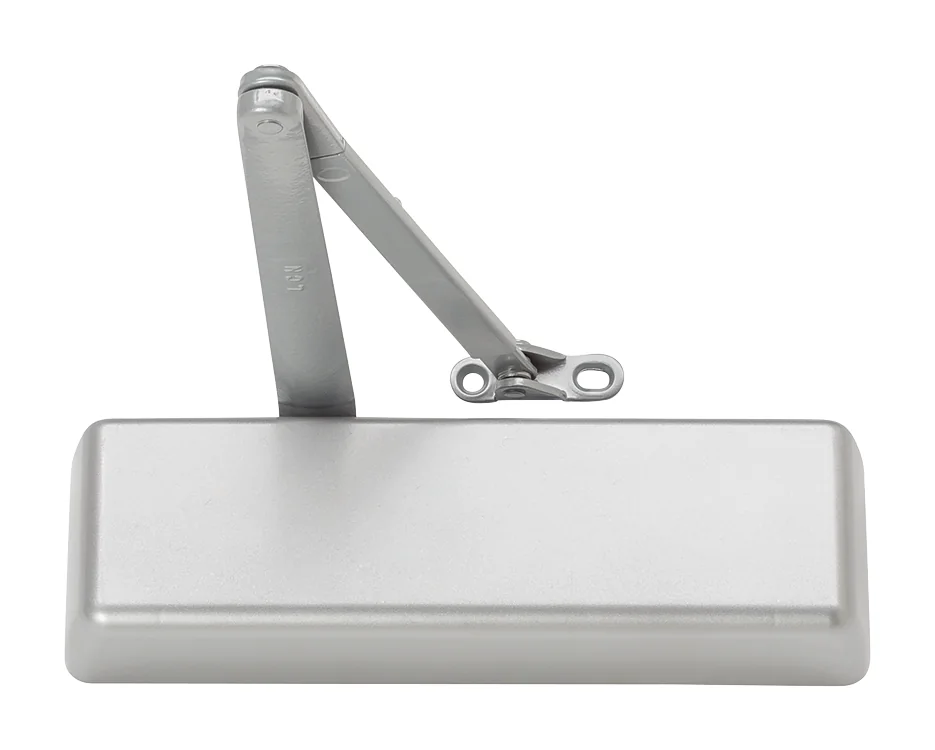
Product images: manufacturer marketing materials.
What we check on a door
- Opening force: how hard the door is to push or pull. The ADA Standards set a maximum of 5 pounds of force for interior hinged doors; fire doors follow the minimum the fire code requires.
- Closing speed: the closer should not swing the door shut too fast for someone to get through
- Hardware: handles, pulls and locks that can be used with one hand, without tight grasping, pinching or twisting of the wrist
- Hardware height: operable parts generally within the 34 to 48 inch range above the floor
- Thresholds: low and beveled, so a wheelchair or walker can cross; generally no higher than 1/2 inch
- Clear width and maneuvering space: we flag these when we see them, since they usually need a door or construction change rather than hardware
Fixes we install
- Closer adjustment or replacement to bring opening force and closing speed into range; see commercial door closers
- Low-energy automatic operators where a door cannot be made light enough by hand, with push plates or wave actuators; see automatic door operators
- Lever trim in place of knobs, and push/pull plates and bars on storefront and glass doors
- Thresholds replaced with low, beveled thresholds
- Push plates and actuators at the right height and location, inside and out
- Access control that unlocks and opens the door in one step; see access control
Who we work for
- Storefronts and retail chains: entrances that have to open for carts, strollers and deliveries all day
- Building lobbies: front doors and vestibules that need ADA access and still lock at night
- Medical and dental offices: patient entrances, suite doors and treatment rooms
- Office suites and property managers: ADA upgrades on existing doors, with one vendor and one invoice format across buildings
Brands we install and service
ADA hardware and operators from LCN, dormakaba, Norton, Stanley Access Technologies, Horton, Record and ASSA ABLOY, along with lever trim and closers from other commercial lines. We install and service them; we do not claim dealer status.
Related door work
Related door work: commercial door closers, commercial glass doors, Herculite and all-glass doors and access control.
Thresholds, seals and accessible hardware
Thresholds and door bottoms must not trip a wheelchair or a walker. We replace high or damaged thresholds with low-profile Zero International thresholds and door bottoms, and fit lever sets, including Omnia, Baldwin and Emtek architectural levers, where knobs need to go.
See the official manufacturer catalogs on our product catalogs page.
Accessible toilet stalls
For accessible stall doors, latches and pulls, see toilet partitions and bathroom stalls.
Frequently asked questions
How hard should an accessible door be to open?
The 2010 ADA Standards for Accessible Design set a maximum of 5 pounds of opening force for interior hinged doors. Exterior and fire doors are treated differently. We measure the force and adjust or replace the closer.
Do we have to install an automatic door opener?
Not always. Many doors can be brought into range by adjusting or replacing the closer. Where a door is too heavy, a low-energy operator with push plates is the usual fix. Your architect or code consultant can confirm what your building requires.
Can you replace door knobs with ADA levers?
Yes. We swap knobs for lever trim that matches your locks and keying, and install push/pull hardware on storefront and glass doors.
Does NYC have its own accessibility rules?
Yes. The NYC Building Code has accessibility requirements that refer to the ICC A117.1 standard, alongside the federal ADA Standards. This is general information, not legal advice.
Can you fix a threshold that is a tripping hazard?
Yes. We replace high or damaged thresholds with low, beveled ones suited to the door and floor.
Do you work with our architect or expediter on ADA upgrades?
Yes. We install and adjust the hardware to the spec your architect or code consultant gives us, and document what was done.
Related trades, same company
The door, the lock and the release are often one problem. These are handled by the same in-house team.
Automatic door operators
Low-energy and full-power swing door openers installed and serviced.
Learn moreCommercial door closers
Surface, overhead concealed and floor closers, and automatic operators.
Learn moreCommercial door hardware
Closers, panic and exit devices, fire-rated and ADA hardware.
Learn moreAccess control
Card, fob and keypad entry tied to the door hardware we install.
Learn moreRequest a building survey
Call 212-837-4444, 24/7, or send the job details. Written estimate, invoice terms, no card to start.